Spotting the first signs in a Brick home
In Brick Township, mold often hides where you’d least expect it. A musty smell in a room you don’t use daily, or a persistent damp feeling on early spring mornings, can be clues. Our crew has seen this start behind baseboards, under sinks, and along wall edges where humidity collects after rain. These signals aren’t proof on their own, but they’re the first alert that something isn’t drying out properly.
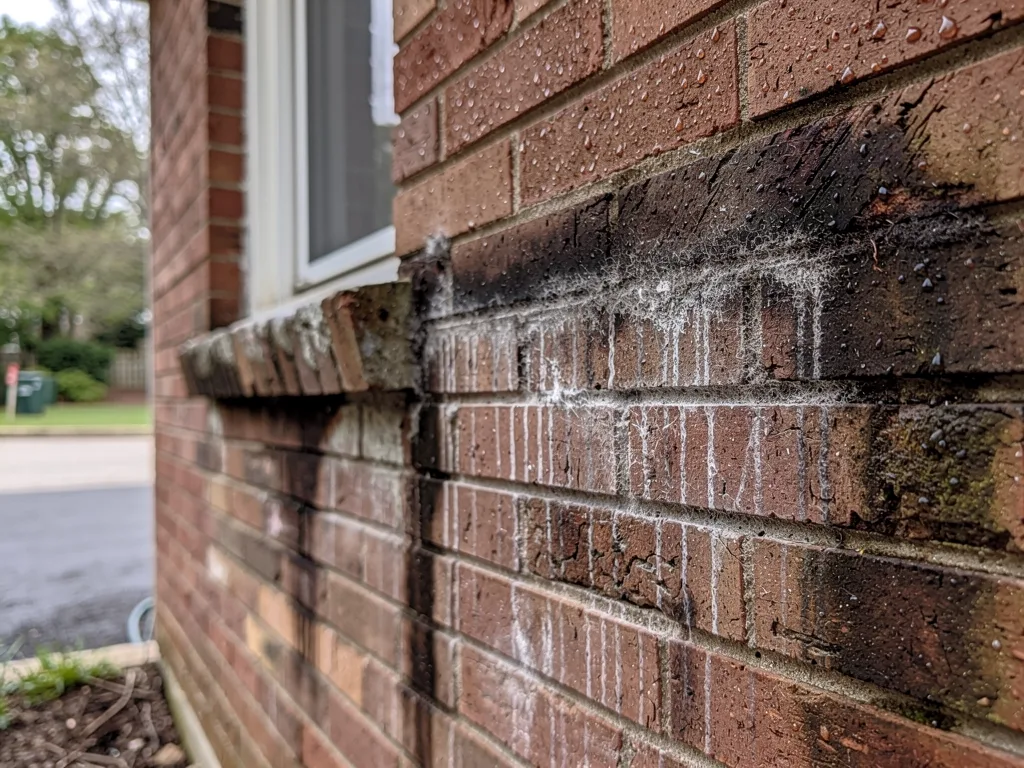
Brick Township Mold Removal emphasizes paying attention to changes you can see or smell. A gray or black film along corners, a damp patch that reappears after cleaning, or a whitening on paint near windows can all indicate mold activity. The key is to track patterns. If you notice repeated damp spots in the same area after a storm, that’s a sign to have the space checked by a mold remediation specialist.
What this means for your home health
Mold isn’t just unsightly; it can affect air quality and trigger sensitivities in family members. In Brick, many homes have older windows or imperfect attic insulation that let seasonal moisture creep in. When mold starts to grow, it can release spores that travel through the air you breathe. A homeowner noticing symptoms like nasal congestion, coughing, or itchy eyes after spending time indoors may be reacting to indoor mold levels.
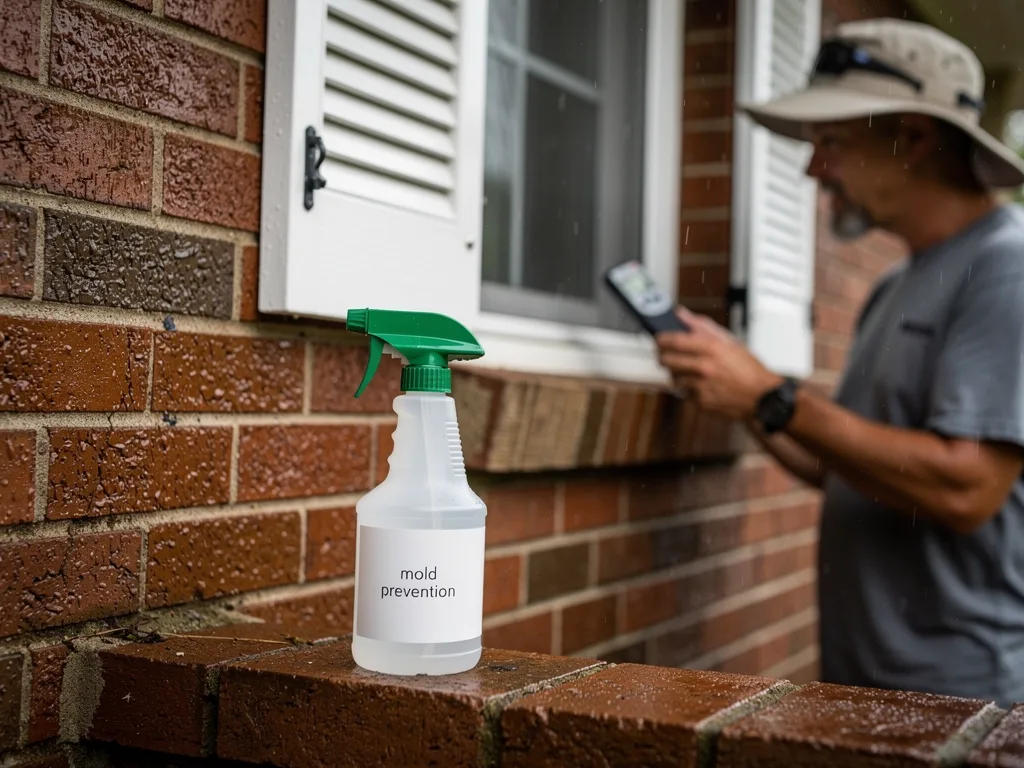
If you’ve spotted a musty odor or visible spots, don’t delay. A mold remediation specialist from Brick Township Mold Removal will assess the area, identify moisture sources, and outline a practical plan. Early steps often involve addressing condensation, improving ventilation, and ensuring basic moisture control in the affected zone.
Simple steps you can take now
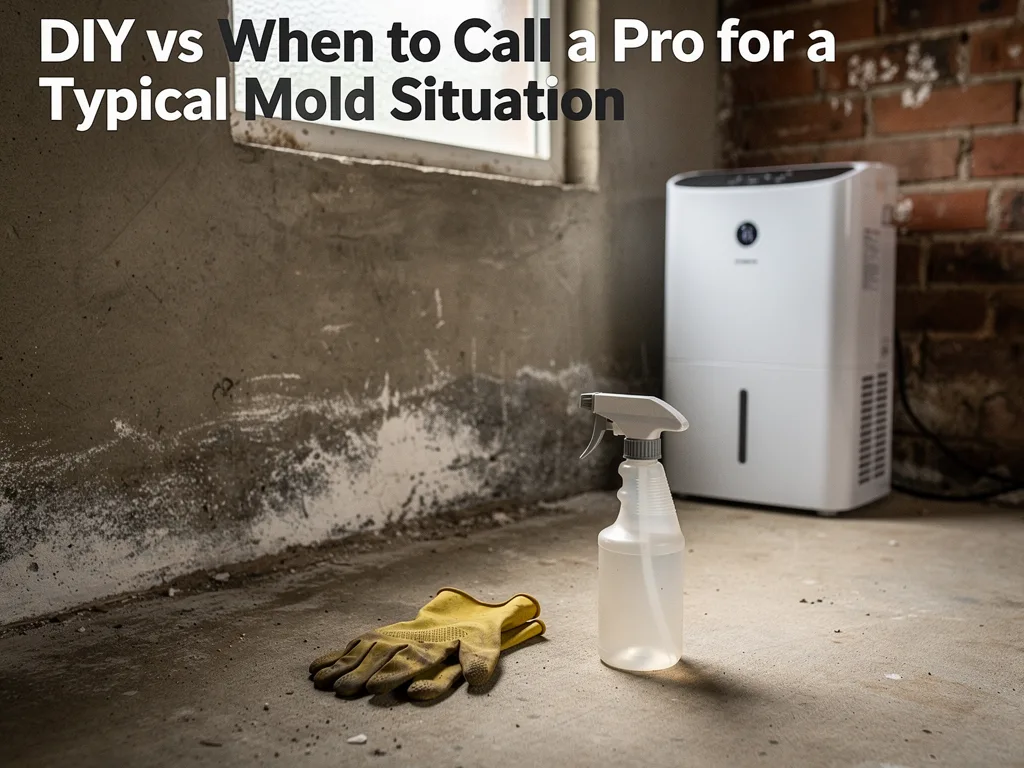
Start with small, practical checks. Look for areas where the wall feels cool to the touch after rain and check for leaks around windows. If you find consistent dampness in a closet or basement corner, dry the area promptly and run a dehumidifier to drop humidity levels below 50 percent. Keep an eye on any rooms that feel damp after showers or cooking, and use exhaust fans when possible.
Document spots you see repeatedly, including dates and weather conditions. This helps a mold remediation specialist understand moisture cycles in your Brick home and tailor a plan that targets the source rather than just the symptom.
When to call a mold remediation specialist
- You notice a musty odor with or without visible spots
- You see new damp patches that reappear after cleaning
- Humid rooms stay damp despite ventilation efforts
If you’re unsure, a phone call to Brick Township Mold Removal can set up a no-pressure assessment. We’ll walk you through the next steps and explain what to expect from the inspection process without any pressure.